Portraits · Fashion · Lifestyle

Vetri Frames — Portrait, Fashion & Lifestyle Photography in Virginia & the DMVVETRIframes

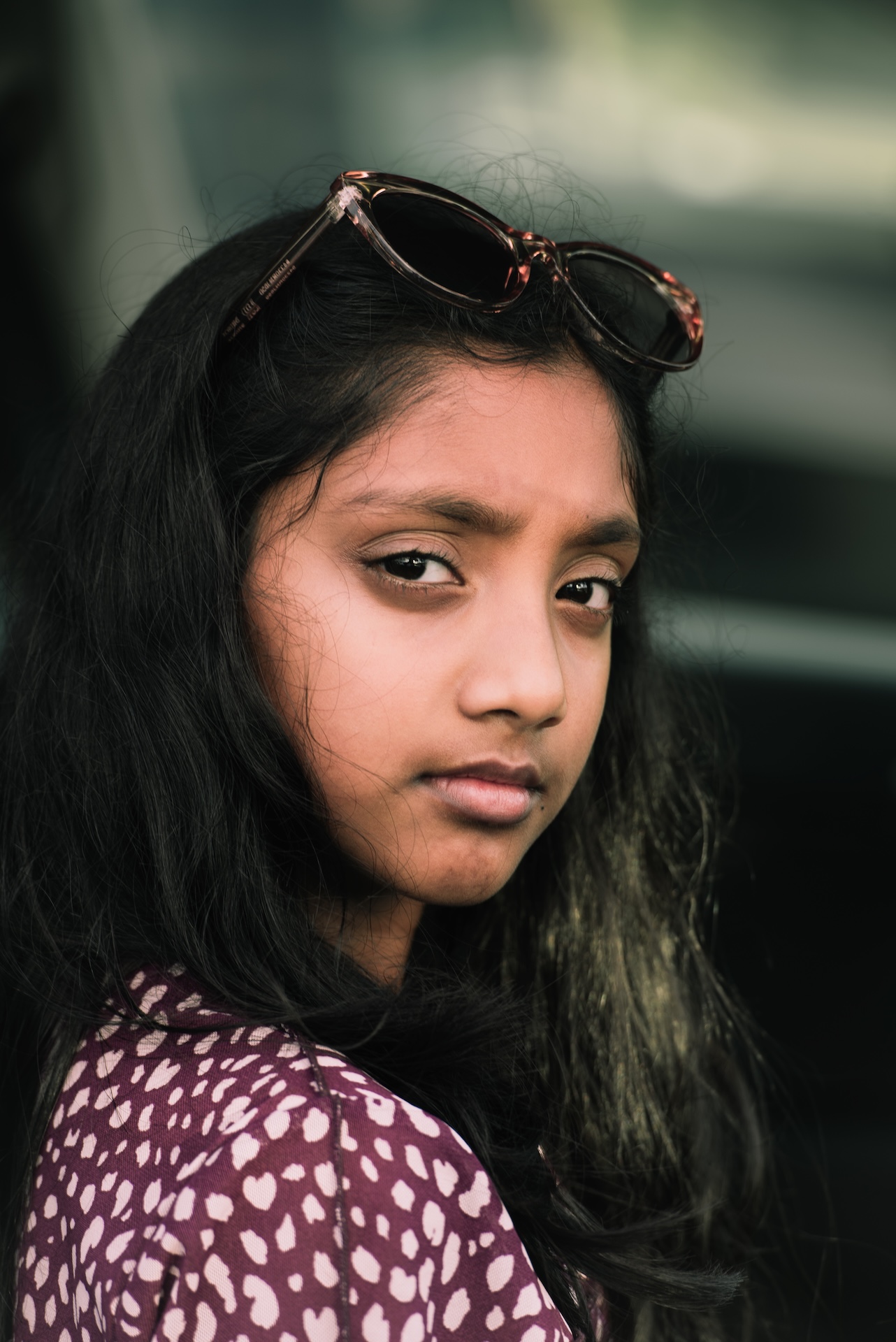
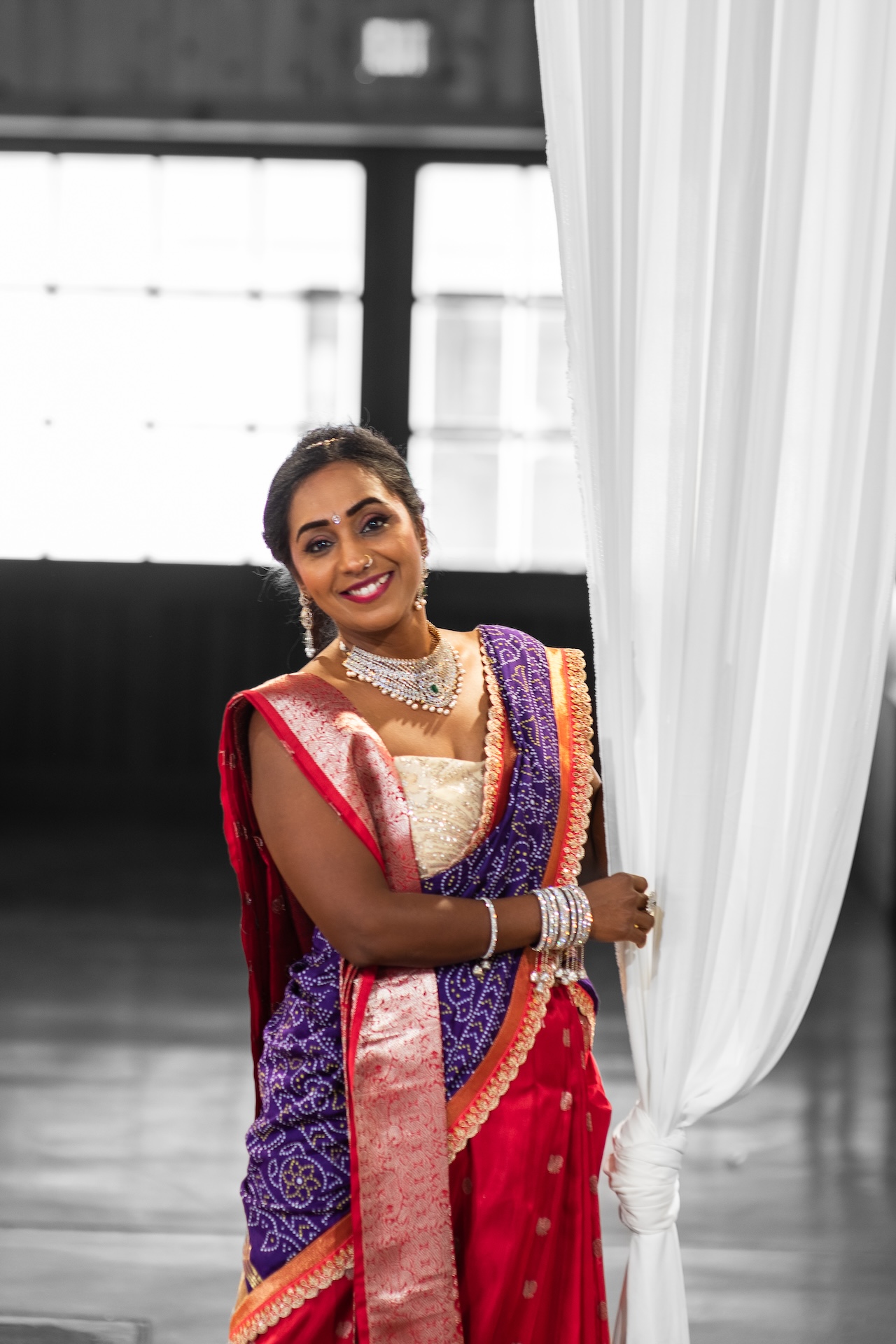
Editorial hero portrait by Vetri Frames — Virginia and DMV portrait, fashion and lifestyle photographer

Frames worth keeping.

Classic glass, film soul, life as it happens. Portraits, fashion & lifestyle across VA & the DMV — real light, no AI.

Selected work — portrait, fashion and lifestyle photography galleries

Portraits.

Fashion.

Lifestyle.

Field Journal & Optics

Stories from the Field.

Reflections on manual glass, honest light, black & white tonality, and shooting with intention in Virginia and the DMV.

All stories →
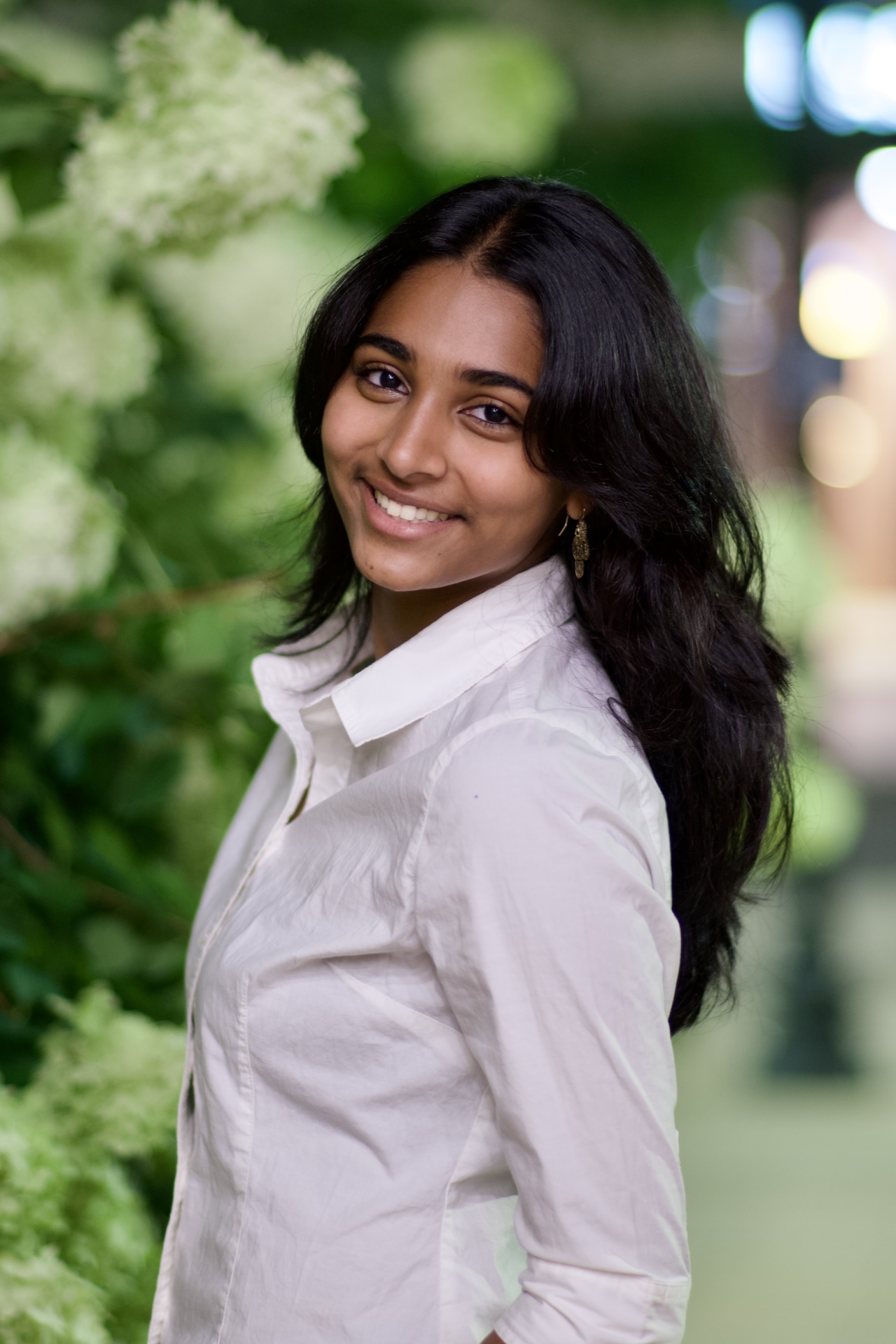
Natural-light portrait shot on a Zeiss Planar 85mm f/1.4 wide open at f/1.4 on a Nikon Z8, showing soft highlight falloff and a fully dissolved background — Northern Virginia
Optics
Carl Zeiss Planar T* 85mm f/1.4 ZF.2
Lens Type
Manual Focus Prime (270° Throw)
Mount / System
Nikon F-Mount / Nikon Z via FTZ
Primary Genre
Editorial Portraiture & Bridal
Key Strength
Highlight Rolloff & B&W Midtones
Optics & Portrait Craft·4 min read

"In a world of blazing-fast autofocus and clinical sharpness, a heavy piece of manual German glass on a Nikon body is what reminds me why I love making portraits."

The Zeiss Planar T* 85mm f/1.4 for Nikon pairs tactile manual focusing with deep optical micro-contrast. Wide open at f/1.4, it delivers a gentle highlight glow and flattering skin tones; stopped down to f/2–f/2.8, it yields dimensional subject separation and rich, uncompressed black-and-white tonal gradation across Nikon DSLR and Nikon Z mirrorless systems.

The Weight in Your Hands

The first thing you notice when you pick up the Zeiss 85mm isn't a spec sheet—it is the cool, dense weight of solid metal and heavy glass. There is no plastic, no rubber that stretches over time, and no autofocus motor humming inside. When you mount it to a Nikon body, the camera immediately feels balanced and grounded. It doesn't feel like a digital gadget; it feels like an instrument crafted by someone who cared deeply about how tools shape art.
Read the full story →
August 2026Vetri Frames Stories
Lens
Nikkor 105mm f/2.5 Ai-S
Body
Nikon Z8 via FTZ adapter
Favourite Aperture
f/2.5 – f/4
Weight
435 g
Closest Focus
1 metre
Lens Notes·6 min read

"It fits in a jacket pocket, it costs less than a lens hood for anything modern, and it makes people look like themselves."

The Nikkor 105mm f/2.5 Ai-S is a manual-focus portrait telephoto Nikon sold from 1981 to 2005. On a Nikon Z8 through an FTZ adapter it renders skin softly without losing detail, keeps backgrounds smooth and undistracting, and holds the wide range of grays that black-and-white portraits depend on. It weighs 435g, focuses to one meter, and remains a favored portrait lens decades after it was discontinued.

The One That Stays in the Bag

Some lenses I bring because a shoot calls for them. This one just lives in the bag. It is small enough that I forget it is there. It weighs about as much as a paperback. And when a session shifts and I suddenly need to be further back from someone — because they have relaxed, because the light moved, because standing close stopped being useful — this is what I put on. Nikon sold this lens for over forty years without changing what was inside it. That tells you something. Cameras came and went, autofocus arrived, everything got electronic, and people kept buying this one anyway.

Read the full story →
August 2026Vetri Frames Stories
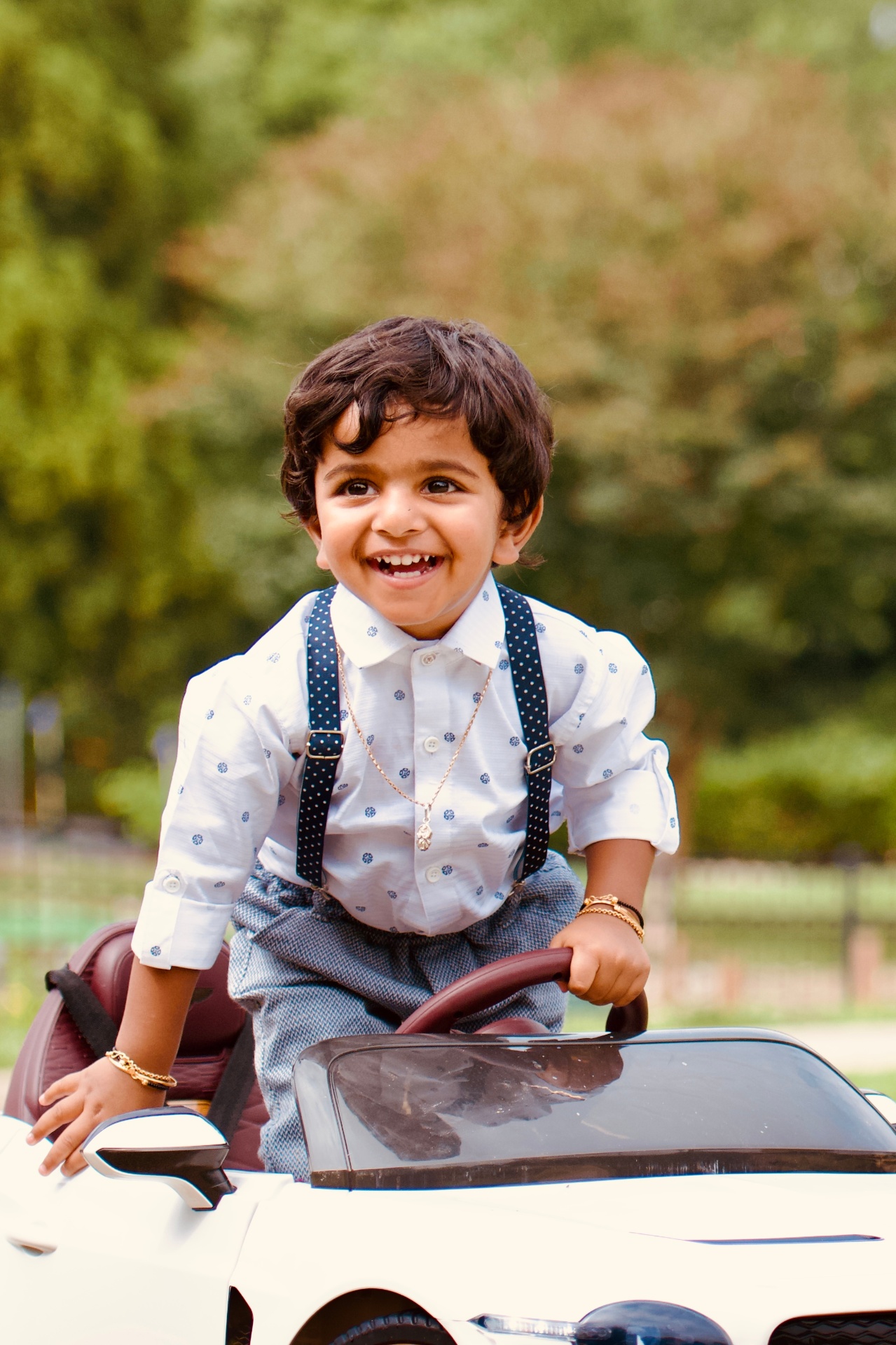
Editorial portrait shot on a manual-focus Nikkor 85mm f/1.4D at f/2, showing the warmer rendering and gentle background transition of vintage glass
Body
Nikon Z8, FTZ adapter
Wide
Zeiss Distagon 35mm f/1.4 & f/2
Portrait
Zeiss Planar 85mm f/1.4, Nikkor 85mm f/1.4D
Short Tele
Nikkor 105mm f/2.5 Ai-S
Long
Zeiss APO Sonnar 135mm f/2
Working Notes·7 min read

"No autofocus, one aperture ring per lens, and a focus ring you have to earn. Here's how each one handles and what the Z8 does to make it workable."

On a Nikon Z8, manual focus lenses work through focus peaking combined with viewfinder magnification — peaking to get close, magnified view to confirm on an eye. In-body stabilisation stays off with lenses that have no electronics until each one is entered under Setup Menu, Non-CPU Lens Data, with its focal length and maximum aperture. Assigning that menu to a custom button makes switching between lenses fast enough for a live session.

Why Manual at All

I own autofocus glass and I use it — an 85mm f/1.2 among others, and for some work it is simply the right tool. But when I get to choose, I shoot manual, and it is for character rather than principle. Autofocus is better than me at finding an eye. It is not better than me at deciding which eye, at what moment, with what part of the frame allowed to go soft. When I focus by hand I am making that decision every time instead of approving one the camera already made. The manual lenses also look different. Older designs and Zeiss primes render with a particular quality — how highlights fall off, how the background dissolves, how skin holds texture without turning clinical — that modern autofocus lenses tend to correct away. That look is the reason I keep reaching for them. The practical effect is that I shoot less and look more. A session with manual lenses produces fewer frames and a higher proportion I actually want. Whether that trade is worth it depends on the work — for anything fast-moving, autofocus wins and I use it. For sitting down with someone for an hour, manual is the better choice. What follows is how each lens handles, and what you need to set up on the Z8 to make any of it work.

Read the full story →
August 2026Vetri Frames Stories

LET’S SHOOT.

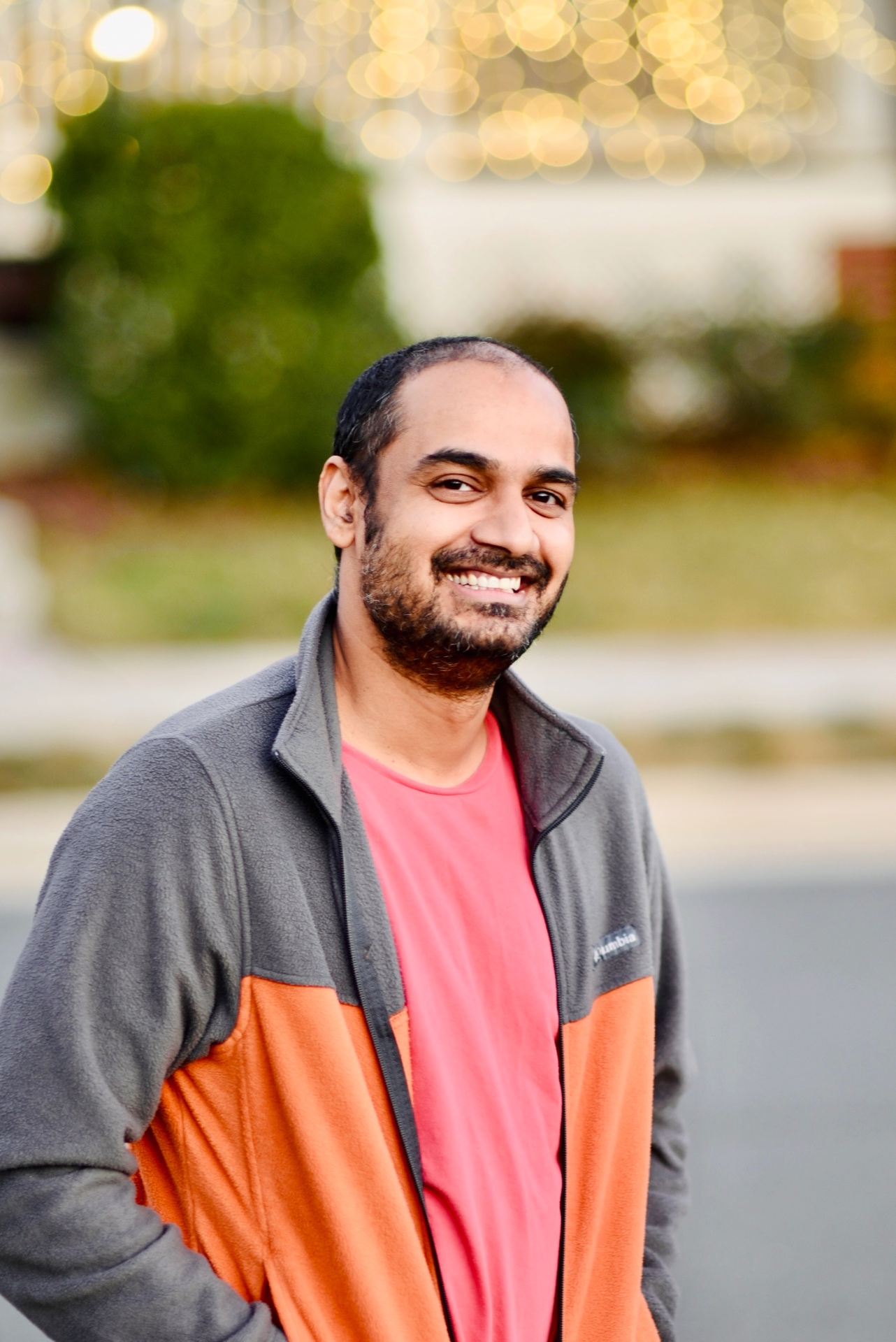
Vetri, portrait and fashion photographer at Vetri Frames, based in Northern VirginiaVetri Frames Official Monogram Seal
BEHIND THE LENS

Vetri

Hi, I'm Vetri. I photograph portraits, fashion, and lifestyle across Virginia, D.C., and Maryland. Whether working with classic manual primes or fast modern glass, sessions are relaxed, unhurried, and focused on genuine moments in honest light.

DM for shoots →